
Cause Versus Effect in Road Maintenance
For a deeper discussion on cause versus effect in road maintenance, watch Steve and Helen discuss this with Steve’s legendary poop analogy on YouTube: Watch Here
Why Modern Pavement Management Requires a Shift from Reactive Repairs to Preventive Asset Management
Road networks rarely fail overnight. Road maintenance across Australia, North America and globally is under growing pressure. Ageing road infrastructure, increasing traffic volumes, heavier freight loads, and limited maintenance budgets are forcing asset owners to rethink how they manage pavement performance. Yet many road networks remain trapped in a reactive maintenance cycle, focused on fixing visible defects rather than addressing the underlying causes of pavement deterioration.
Understanding the difference between treating the effect and fixing the cause is fundamental to effective pavement engineering and infrastructure asset management.
Pavement deterioration is not random
Pavements deteriorate through predictable and measurable processes. Traffic loading, environmental exposure, material ageing, and moisture ingress all contribute to the gradual loss of pavement performance. These mechanisms are well documented in pavement engineering research and underpin modern pavement management systems used by transport agencies worldwide.
When early intervention treatments are applied at the right time, deterioration slows, and pavement service life is extended at a relatively low cost. When intervention is delayed, deterioration accelerates, and options narrow quickly, often leading to costly road rehabilitation or full reconstruction.
Why reactive road maintenance dominates
Despite advances in asset management practices, reactive road maintenance remains common. Asset owners manage large and complex road networks with limited funding and resources. Public complaints and safety concerns tend to focus on visible defects such as potholes and cracking, which drives short-term decision-making.
Pothole repairs and crack sealing provide immediate improvement in ride quality, but they rarely improve long-term pavement condition. These activities address the effects of deterioration rather than the cause, leading to repeated failures and escalating maintenance costs.
An Example: Potholes are symptoms, not the problem
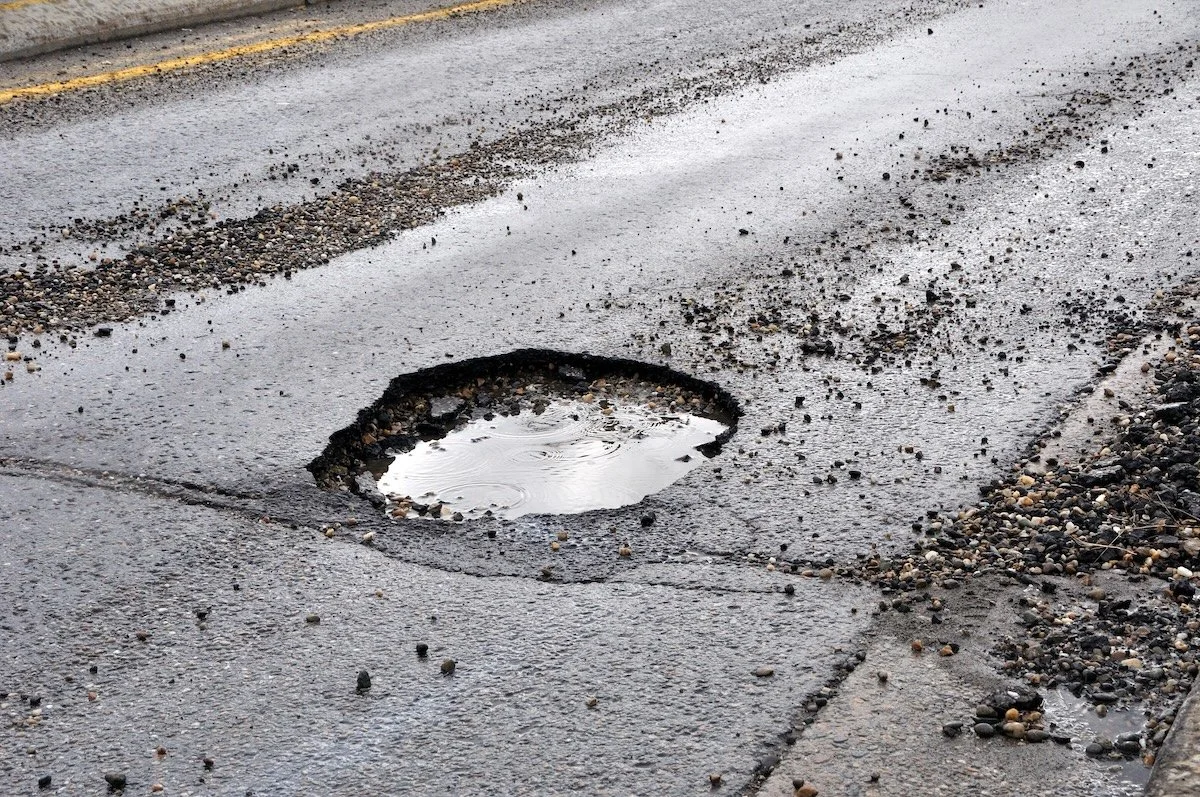
Image: Gary Whitton/stock.adobe.com
Just like every other defects, pothole is not a failure mode in itself. It is a symptom of deeper pavement issues. In most cases, potholes form when water enters the pavement through cracks or joints. Under repeated traffic loading, water pressure builds within the pavement layers, weakening materials and causing sections of the surface to break apart.
Filling a pothole restores surface condition temporarily, but it does not address why water entered the pavement or why the structure was vulnerable to failure. Without addressing drainage performance, surface ageing, traffic loading, and structural capacity, potholes tend to reappear in the same locations.
Advantage of Preventive Maintenance
Treating the effect focuses on surface defects. Fixing the cause requires understanding pavement behaviour and identifying the mechanisms driving deterioration. These may include poor drainage performance, surface ageing and oxidation, increased traffic loading, or land-use changes that introduce heavier vehicles onto roads never designed for that level of demand.
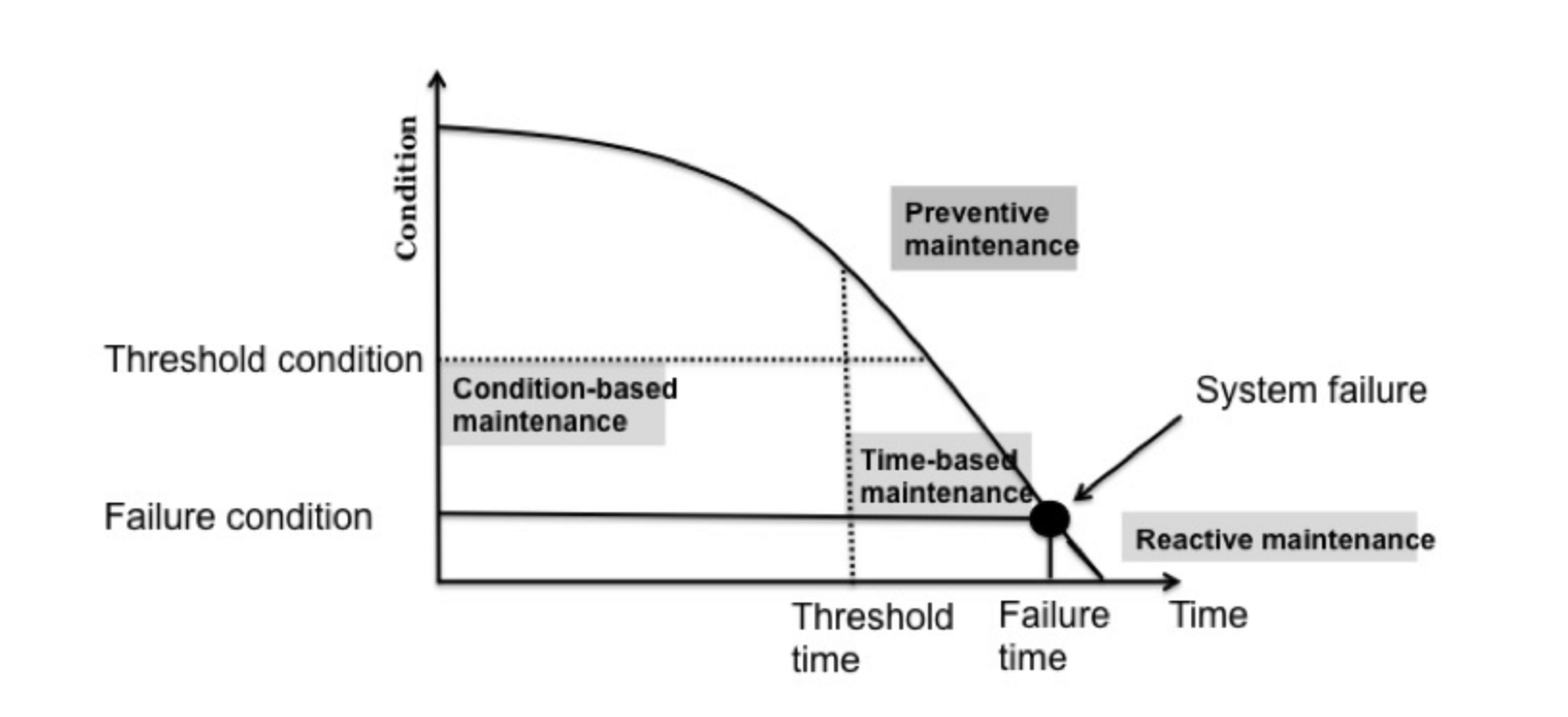
Preventative maintenance targets the root of the problem before the system reaches failure.
A properly developed pavement management system is critical to making this shift. Effective pavement management systems integrate pavement condition data, traffic information, deterioration modelling, and whole-of-life cost analysis. Rather than relying on annual plans or worst-first prioritisation, they support multi-year maintenance planning, typically spanning 5 years or more.
Preventive maintenance strategies focus on preserving pavement assets before structural failure occurs. Treatments such as reseals, thin asphalt overlays, microsurfacing, stabilised pavement layers, targeted rehabilitation, and drainage improvements directly address the causes of deterioration. When applied at the correct time, these treatments extend pavement life, reduce user complaints, improve safety, and lower long-term maintenance costs.
For a deeper discussion on cause versus effect in road maintenance, watch Steve and Helen discuss this with Steve’s legendary poop analogy on YouTube: Watch Here