
Fresh Concrete From Plant to Pavement
The Transport Phase Contributes to Concrete Performance Largely
Concrete is designed to harden after placement, not during transport. Yet the period between batching at the plant and discharge at the pavement is one of the most technically sensitive stages in the entire construction process. Decisions made during this window directly influence workability, strength development, durability, and long-term performance.
Once water contacts cement, hydration begins; this reaction cannot be paused, only managed. The role of transport systems and operational controls is therefore not to stop hardening, but to regulate the rate and uniformity of hydration until placement.
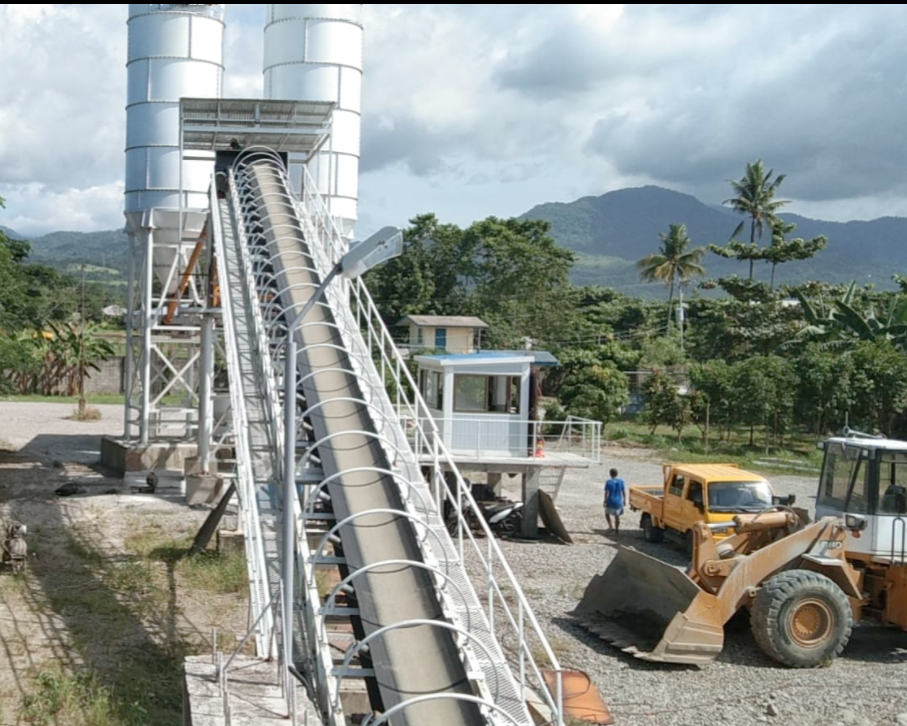
Credit: Luton
Hydration Does Not Wait for Site Conditions
From the moment batching is complete, cement particles begin forming hydration products. These early reactions are susceptible to temperature, time, and moisture balance. Elevated concrete temperature accelerates hydration, reducing slump and increasing the risk of premature stiffening before placement.
Transport delays compound this effect. Longer haul distances, site access issues, or waiting times at the site all increase the duration of active hydration inside the drum. Once a critical level of early structure forms, workability losses become difficult or impossible to reverse without compromising performance.
Why Drum Rotation Matters

Credit: iStock
Mixer drums rotate continuously during transport for a critical reason. Rotation maintains uniformity of mix and prevents segregation of aggregates and paste. It also limits localised hydration, where cement paste could otherwise stiffen unevenly within the load.
Drum speed is not arbitrary. Excessive agitation can increase temperature and accelerate slump loss, while insufficient rotation increases the risk of segregation and non-uniform consistency. Controlled rotation is therefore a balance between mechanical stability and chemical progression.
Temperature Control Is a Performance Variable
Concrete temperature influences almost every fresh and hardened property. Higher temperatures increase hydration rate, reduce setting time, and can increase early-age shrinkage risk. Lower temperatures slow strength gain and may affect finishing operations.
Monitoring temperature from plant discharge through to placement provides early warning of potential performance issues. Modern trucks use sensors to track temperature, drum rotation, and delivery time, enabling proactive quality control rather than reactive site decisions.
On-site Interventions Carry the Highest Risk

Credit: Readymixconcrete
Once concrete arrives on site, the margin for correction is limited. The most common and damaging intervention remains the uncontrolled addition of water. While water may temporarily restore slump, it permanently alters the water-cement ratio, reducing strength, increasing permeability, and compromising durability.
Delays before discharge present a similar risk. Even without water addition, extended waiting allows hydration to progress, increasing placement effort and finishing stress. At this stage, the cost of poor coordination is often transferred directly into long-term pavement performance.
Quality Is Locked in Before Placement
By the time concrete reaches the pavement, most critical performance variables have already been set. Batching accuracy, temperature management, transport duration, and handling discipline collectively determine whether concrete can be placed, compacted, and finished as designed.
Well-performing pavements are rarely the result of last-minute fixes. They are the outcome of controlled systems that respect the chemistry of cement hydration and the physics of transport.
Final Thought
Fresh concrete quality is not protected by good intentions on site. It is protected by disciplined control from plant to pavement. The transport phase is not a logistical detail, it is a structural determinant.